
Jajangmyeon (Korean Black Bean Noodles) Recipe
Introduction
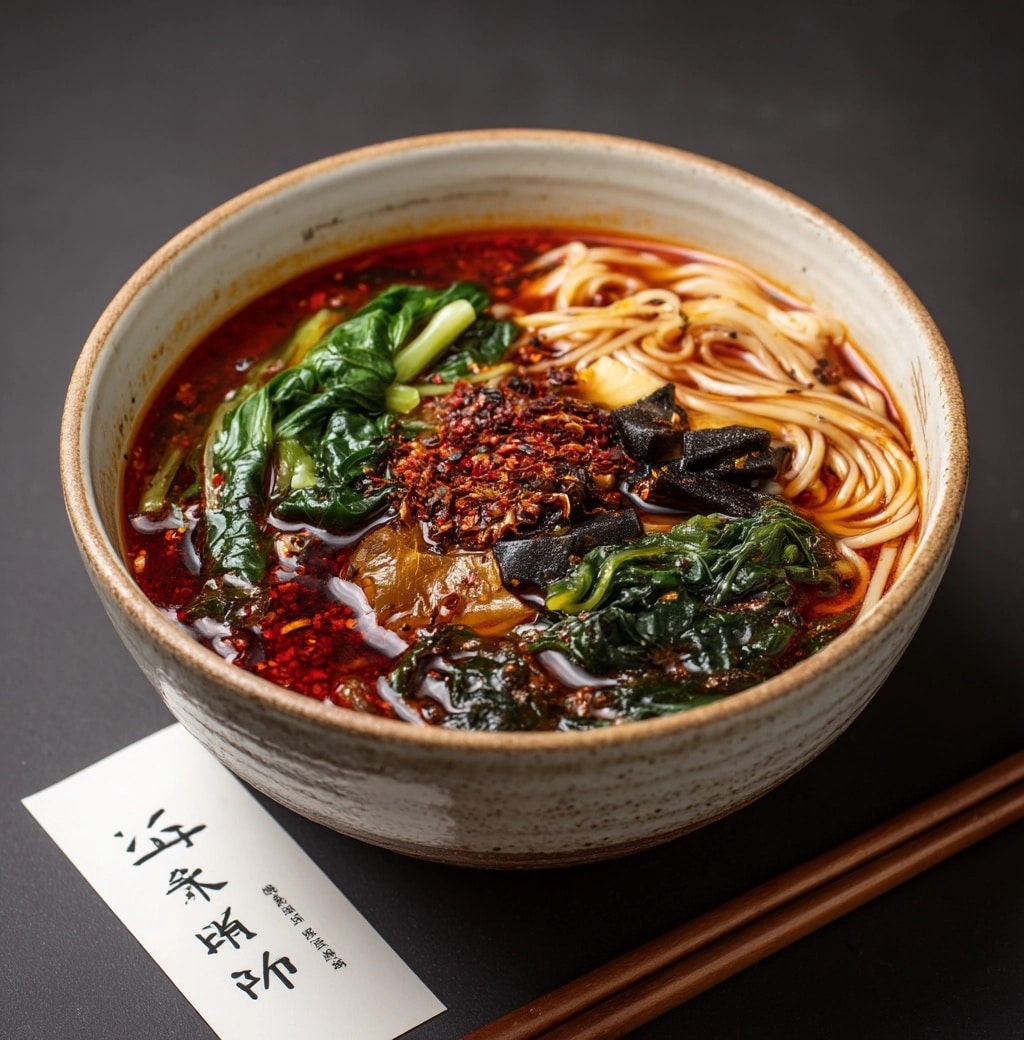
Jajangmyeon is a beloved Korean-Chinese dish featuring chewy noodles topped with a rich, savory black bean sauce. This comforting meal is hearty and flavorful, making it a perfect choice for a satisfying weeknight dinner.
Ingredients
- ⅔ cup Korean black bean paste (chunjang)
- ¼ cup oil (any neutral oil)
- 1 pound boneless pork shoulder, small diced (pork butt or pork belly works too)
- 3 tablespoons garlic, minced (about 5-6 cloves)
- 1 tablespoon ginger, peeled and minced (about ½ inch piece)
- 1 medium yellow onion, small diced
- 10 ounces green cabbage, roughly chopped (about 2 cups)
- 1 Korean zucchini, small diced (or regular zucchini)
- 2 cups water
- 3 tablespoons oyster sauce
- 2 tablespoons granulated sugar
- 3 tablespoons cornstarch (mixed with 3 tablespoons water to make a slurry)
- 4 bundles Korean fresh noodles
- English cucumber, julienned (optional for garnish)
- Kimchi (optional side)
- Danmuji (pickled yellow radish, optional side)
Instructions
- Step 1: In a small nonstick saucepan over medium heat, add the oil. Once hot, add the black bean paste and stir fry for about 2 minutes until fragrant, stirring constantly. Remove from heat and set aside.
- Step 2: Drain excess oil from the fried black bean paste. In a large saucepan, add a little oil if needed to lightly coat the pan. Heat over medium-high heat, then add the pork. Stir fry until lightly browned and no longer pink, rendering fat well if using pork belly.
- Step 3: Reduce heat to medium. Add garlic and ginger, stir frying for 10 to 20 seconds until fragrant. Add onion, zucchini, and cabbage, and cook a few minutes until cabbage starts to wilt.
- Step 4: Add the fried black bean paste to the pan and mix well to coat all ingredients evenly.
- Step 5: Pour in water, oyster sauce, and sugar. Bring to a boil, then reduce heat to a moderate simmer. Cook for 10 to 15 minutes to develop flavor and adjust saltiness as desired.
- Step 6: While the sauce simmers, boil the noodles according to package instructions. Drain well. If using fresh Korean noodles, rinse with water to remove excess starch and drain again. Divide noodles into serving bowls.
- Step 7: Stir the cornstarch slurry again and slowly drizzle it into the simmering sauce while stirring. Let the sauce thicken and turn glossy, simmering for a few more seconds. Adjust slurry amount if sauce thickness needs change.
- Step 8: Ladle the hot sauce over the noodles. Garnish with julienned cucumber if desired. Serve immediately, mixing the sauce and noodles well before eating for the best flavor.
Tips & Variations
- Use pork belly for a richer sauce, making sure to render the fat properly.
- Adjust the sugar and oyster sauce to balance saltiness depending on the noodle brand used.
- Add vegetables like diced potatoes or carrots for extra texture.
- Serve with traditional sides like kimchi and danmuji for an authentic experience.
- If fresh Korean noodles aren’t available, thick wheat noodles or udon can be a good substitute.
Storage
Store leftover sauce separately in an airtight container in the refrigerator for up to 3 days. Reheat gently on the stove, adding a splash of water if needed to loosen before serving. Cook fresh noodles just before serving for best texture, as reheating noodles can make them mushy.
How to Serve
Serve this delicious recipe with your favorite sides.
FAQs
Can I make Jajangmyeon vegetarian?
Yes, substitute the pork with firm tofu or mushrooms and use vegetable broth instead of water to keep it vegetarian. Adjust saltiness with soy sauce as needed.
Where can I find Korean black bean paste?
Korean black bean paste (chunjang) is available at Asian grocery stores or online. Look for brands intended for jajangmyeon to get the authentic flavor.
PrintJajangmyeon (Korean Black Bean Noodles) Recipe
Jajangmyeon, a beloved Korean comfort food, features chewy fresh noodles topped with a rich, savory black bean sauce made from Korean chunjang paste, tender pork, and stir-fried vegetables. This recipe guides you through caramelizing the black bean paste, stir-frying pork and vegetables, simmering the sauce to perfection, and serving it hot over noodles for an authentic and hearty meal.
- Prep Time: 15 minutes
- Cook Time: 25 minutes
- Total Time: 40 minutes
- Yield: 4 servings 1x
- Category: Main Course
- Method: Stir Frying
- Cuisine: Korean
- Diet: Halal
Ingredients
Black Bean Sauce
- ⅔ cup Korean black bean paste (chunjang)
- ¼ cup neutral oil (vegetable or canola)
- 3 tablespoons garlic, minced (about 5–6 cloves)
- 1 tablespoon ginger, peeled and minced (about ½ inch)
- 1 medium yellow onion, small diced
- 10 ounces green cabbage, roughly chopped (about 2 cups)
- 1 Korean zucchini, small diced (or regular zucchini)
- 2 cups water
- 3 tablespoons oyster sauce
- 2 tablespoons granulated sugar
- 3 tablespoons cornstarch (mixed with 3 tablespoons water to make slurry)
Meat
- 1 pound boneless pork shoulder, small diced (pork butt or pork belly are acceptable substitutes)
Noodles and Garnish
- 4 bundles Korean fresh noodles
- English cucumber, julienned (optional garnish)
- Kimchi (optional side)
- Danmuji (pickled yellow radish, optional side)
Instructions
- Stir-fry the black bean paste: Heat oil in a small nonstick saucepan over medium heat. Add the Korean black bean paste (chunjang) and stir constantly for about 2 minutes until fragrant. Remove from heat and set aside.
- Start the sauce base: In a large saucepan or pot, drain excess oil from the fried black bean paste. Add a little oil if necessary to lightly coat the bottom. Over medium-high heat, add diced pork and stir-fry until lightly browned and no longer pink. For pork belly, render the fat thoroughly.
- Add aromatics and vegetables: Reduce heat to medium and add minced garlic and ginger. Stir-fry for 10-20 seconds until fragrant. Add diced onion, zucchini, and chopped cabbage; continue stir-frying until the cabbage begins to wilt.
- Incorporate the black bean paste: Add the prepared black bean paste back into the pot and stir well to coat the meat and vegetables evenly.
- Simmer the sauce: Pour in water, oyster sauce, and granulated sugar. Bring to a boil, then reduce heat to maintain a moderate simmer. Cook for 10-15 minutes to develop flavor and achieve desired saltiness. Adjust simmer time based on noodle saltiness.
- Cook the noodles: While the sauce simmers, bring a pot of water to a boil. Cook Korean fresh noodles according to package instructions (usually a few minutes), then drain and rinse with water to remove starch. Drain well and portion into serving bowls.
- Thicken the sauce: Stir the cornstarch slurry well, then slowly drizzle it into the simmering sauce while stirring continuously. Allow sauce to thicken and become glossy within a few seconds. Adjust slurry amount if reducing sauce more or less.
- Assemble and serve: Ladle the hot black bean sauce generously over the portioned noodles. Top with julienned cucumber if desired. Serve immediately alongside optional kimchi and danmuji. Mix well before eating and enjoy hot.
Notes
- Chunjang or Korean black bean paste can be found at Asian grocery stores or online.
- Pork belly or pork butt can substitute pork shoulder but adjust fat rendering time accordingly.
- Adjust sugar and oyster sauce amounts based on your taste preference and saltiness of your black bean paste and noodles.
- Rinsing fresh noodles removes excess starch and prevents them from sticking together.
- Cucumbers add freshness and crunch, but can be omitted.
- Serving with kimchi and danmuji (pickled radish) complements the bold flavors of jajangmyeon traditionally.
Keywords: Jajangmyeon, Korean black bean noodles, Korean noodle recipe, chunjang sauce, stir-fried pork noodles